
Top Trends in Industrial Automation for Enhanced Efficiency
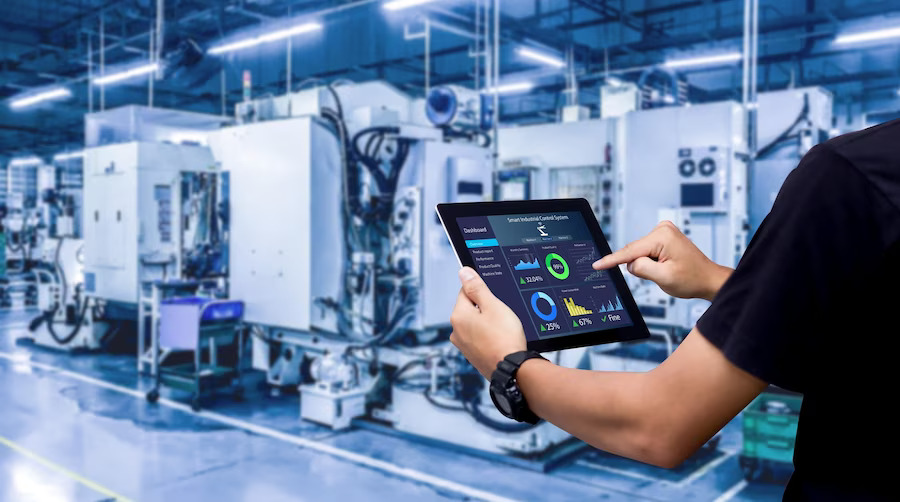
The manufacturing sector is undergoing a significant transformation, with new technologies reshaping production lines and supply chains. For a dynamic economy like Thailand’s, which is a major hub for automotive and electronics manufacturing, embracing these changes is essential for maintaining a competitive edge. The evolution of industrial automation is at the heart of this shift, moving beyond simple robotics to more intelligent, interconnected systems. These advancements promise not just faster production but smarter, more flexible, and highly efficient operations.
As factories and production facilities look to modernise, several key developments are driving this progress forward. These trends are particularly relevant for Thai industries aiming to increase productivity and meet the demands of a global market. Integrating these technologies allows businesses to optimise resource use, reduce operational costs, and improve the quality of their products. The focus is on creating a more resilient and responsive manufacturing environment.
Understanding the latest trends is the first step for any business planning to invest in its operational future. From the Internet of Things (IoT) to artificial intelligence (AI), the tools available are more powerful than ever. Let’s examine some of the most impactful developments in this field and how they are contributing to enhanced efficiency across various sectors in Thailand.
The Rise of Collaborative Robots (Cobots)
One of the most accessible trends is the adoption of collaborative robots, or cobots. Unlike traditional industrial robots that operate in isolated cages, cobots are designed to work safely alongside human employees. In Thailand’s manufacturing plants, this means they can handle repetitive or strenuous tasks, freeing up skilled workers to focus on more complex responsibilities like quality control and problem-solving. This human-robot collaboration enhances productivity without requiring a complete overhaul of the factory floor, making it a cost-effective solution for small and medium-sized enterprises (SMEs).
AI and Machine Learning in Quality Control
Artificial intelligence and machine learning are revolutionising quality assurance processes. Vision systems powered by AI can inspect products on the assembly line with incredible speed and accuracy, identifying defects that might be missed by the human eye. For Thailand’s electronics and food processing industries, this technology is invaluable. It helps to ensure that every product meets strict quality standards, reducing waste and protecting brand reputation. Machine learning algorithms can also analyse production data to predict potential equipment failures before they happen, enabling proactive maintenance and minimising downtime.
The Industrial Internet of Things (IIoT)
The Industrial Internet of Things (IIoT) connects machinery, sensors, and computer systems, allowing them to share data in real time. For a factory in the Eastern Economic Corridor (EEC), this connectivity provides a complete overview of the entire production process. Managers can monitor equipment performance, track energy consumption, and manage inventory levels from a single dashboard. This wealth of data allows for informed decision-making, leading to streamlined workflows and a significant boost in operational efficiency. IIoT creates a truly smart factory where processes are optimised continuously based on live information.