
Essential Health Tips Before Long Distance Travel Abroad
Why Health Preparation Matters Before International Travel
Long distance international travel can be exciting, but it also places physical and mental demands on the body. Changes in climate, time zones, diet, and exposure to unfamiliar environments can affect health if proper preparation is not taken seriously. Planning ahead allows travelers to avoid preventable illnesses and enjoy their trips with greater confidence and comfort.
Health preparation before traveling abroad involves more than packing medication. It includes vaccinations, nutrition planning, sleep management, hydration strategies, insurance coverage, and understanding local health conditions at the destination. Careful preparation helps reduce travel related risks and supports a safer journey.
Travelers who prepare early are better equipped to handle unexpected situations and maintain well being throughout their trip.
Schedule a Pre Travel Medical Consultation
A medical consultation before departure helps identify potential health concerns based on travel destination, duration, and planned activities.
During a consultation, healthcare providers may:
- Review vaccination status
- Recommend preventive medications if needed
- Evaluate existing medical conditions
- Provide guidance on travel related risks
- Suggest strategies for managing jet lag
Scheduling this appointment several weeks before departure ensures enough time to complete recommended vaccinations or treatments.
Professional guidance helps travelers make informed decisions about health protection during international trips.
Update Required and Recommended Vaccinations
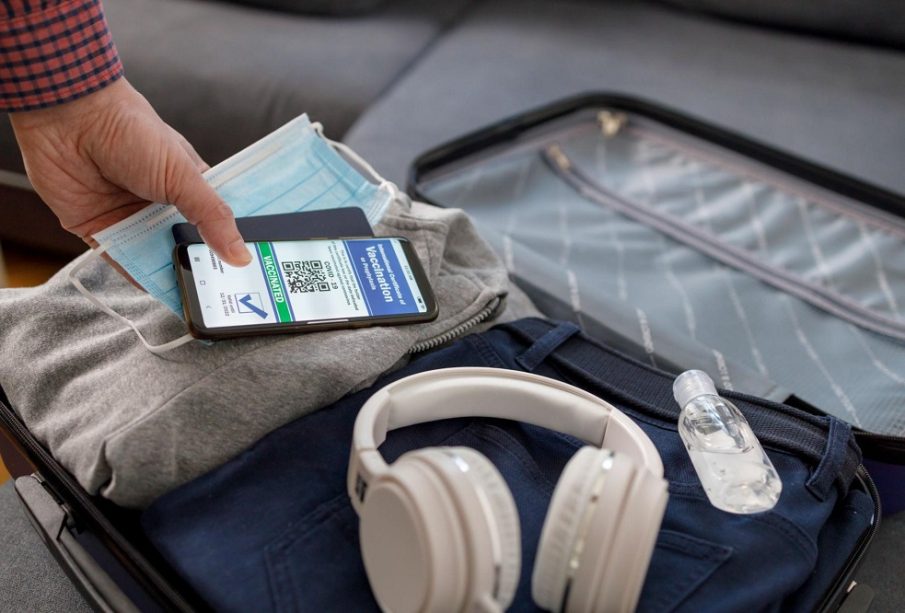
Vaccinations play a critical role in preventing illness during international travel. Some countries require proof of vaccination before entry, while others recommend protection against region specific diseases.
Common travel related vaccinations may include:
- Hepatitis A protection
- Hepatitis B protection
- Typhoid prevention
- Influenza vaccination
- Tetanus booster if needed
Depending on destination, additional vaccines may be recommended for diseases that are uncommon in the traveler’s home country.
Keeping vaccination records organized simplifies entry procedures and ensures preparedness during medical emergencies.
Pack a Personalized Travel Health Kit
A well prepared travel health kit helps manage minor illnesses and unexpected situations during long distance travel.
Important items to include:
- Prescription medications in original containers
- Pain relief tablets
- Motion sickness remedies
- Allergy medication
- Antiseptic wipes
- Adhesive bandages
- Hand sanitizer
- Thermometer if traveling long term
Carrying medications in hand luggage rather than checked baggage ensures availability during flights and layovers.
Travelers should also carry copies of prescriptions in case replacements are needed abroad.
Stay Hydrated Before and During the Journey
Long flights often contribute to dehydration due to low cabin humidity levels. Maintaining proper hydration helps reduce fatigue and discomfort during travel.
Hydration strategies include:
- Drinking water regularly before departure
- Avoiding excessive caffeine consumption
- Limiting alcohol intake during flights
- Carrying a reusable water bottle
Staying hydrated supports circulation, digestion, and energy levels throughout the journey.
Consistent hydration also reduces symptoms associated with jet lag.
Manage Jet Lag Effectively
Jet lag occurs when travel crosses multiple time zones and disrupts the body’s internal clock. Preparing in advance helps reduce its effects.
Travelers can manage jet lag by:
- Adjusting sleep schedules gradually before departure
- Sleeping according to destination time during flights
- Spending time outdoors after arrival
- Avoiding heavy meals before bedtime
These strategies help the body adapt more quickly to new time zones.
Proper sleep adjustment improves alertness and overall travel comfort.
Protect Yourself From Travel Related Infections
Exposure to unfamiliar bacteria and viruses increases during international travel. Practicing good hygiene reduces infection risk.
Helpful prevention measures include:
- Washing hands frequently
- Using hand sanitizer when necessary
- Avoiding untreated drinking water
- Choosing well prepared food
- Maintaining distance from visibly ill individuals
Simple hygiene habits provide strong protection against common travel illnesses.
Travelers who follow these practices experience fewer disruptions during their trips.
Prepare for Changes in Climate and Environment
Traveling to a new region often involves changes in weather, altitude, or humidity levels. Preparing for environmental differences helps prevent health complications.
Preparation steps include:
- Packing appropriate clothing for temperature conditions
- Using sunscreen in sunny environments
- Carrying insect protection if needed
- Adjusting hydration levels based on climate
Understanding environmental conditions improves comfort and safety throughout travel.
Preparation reduces the likelihood of heat exhaustion or cold related illness.
Plan for Safe Food and Water Consumption
Food safety is an important part of travel health planning. Differences in food preparation standards may increase the risk of digestive illness.
Safe eating habits include:
- Choosing freshly prepared meals
- Avoiding unpasteurized dairy products
- Drinking bottled or filtered water when necessary
- Avoiding raw foods in unfamiliar environments
Careful food choices help maintain digestive health during international trips.
Travelers who follow safe eating practices reduce the risk of illness significantly.
Carry Travel Health Insurance Coverage
Travel health insurance provides protection against unexpected medical expenses abroad. Healthcare costs in foreign countries can vary significantly, making insurance coverage an important safety measure.
Insurance policies may include:
- Emergency medical treatment coverage
- Hospitalization expenses
- Emergency evacuation support
- Prescription replacement assistance
Reviewing policy details before departure ensures appropriate protection throughout the trip.
Travel insurance adds confidence when traveling far from home.
Maintain Physical Activity During Long Flights
Remaining seated for extended periods can affect circulation and increase discomfort during long flights.
Helpful movement strategies include:
- Stretching legs regularly
- Walking along the aisle when possible
- Performing simple seated exercises
- Wearing comfortable clothing during travel
Movement supports circulation and reduces stiffness during extended journeys.
Active travelers often arrive feeling more refreshed and comfortable.
Manage Prescription Medications Responsibly
Travelers who rely on prescription medications should plan carefully to avoid interruptions during their trip.
Medication preparation includes:
- Carrying enough supply for the entire trip
- Keeping medications in labeled containers
- Storing medicines in carry on luggage
- Checking destination country regulations for restricted medications
Preparation ensures uninterrupted treatment and reduces stress during travel.
Proper medication planning supports health stability throughout the journey.
Protect Mental Well Being During Travel
Long distance travel can create stress due to unfamiliar environments and schedule disruptions. Preparing mentally helps maintain emotional balance.
Mental health strategies include:
- Allowing extra time for airport procedures
- Maintaining communication with family members
- Planning rest periods after arrival
- Keeping travel schedules flexible when possible
Managing expectations reduces anxiety and supports positive travel experiences.
Mental preparation contributes to overall health during international travel.
Monitor Health After Arrival
Health awareness should continue after reaching the destination. Travelers should remain alert to symptoms that may require medical attention.
Post arrival health practices include:
- Drinking safe water sources
- Maintaining regular sleep routines
- Monitoring digestion and energy levels
- Seeking medical care if symptoms appear
Early attention to symptoms prevents minor concerns from becoming serious issues.
Remaining attentive to health conditions helps ensure a successful trip experience.
Conclusion
Preparing for long distance international travel involves thoughtful planning that supports physical comfort, disease prevention, and emotional well being. Scheduling medical consultations, updating vaccinations, managing hydration, preparing medications, and maintaining hygiene all contribute to safer travel experiences. Travelers who follow structured health preparation steps reduce risks and improve their ability to adapt to unfamiliar environments. With careful preparation, international travel becomes more enjoyable and less stressful, allowing travelers to focus on exploration and meaningful experiences.
Frequently Asked Questions
1. How far in advance should travelers begin preparing their health plans before international trips
Travelers should ideally begin health preparations at least four to six weeks before departure to allow time for vaccinations and consultations.
2. Is it necessary to translate medical prescriptions before traveling abroad
In some countries, translated prescriptions help local pharmacists understand medication requirements and simplify replacement if needed.
3. Should travelers carry digital copies of medical records during international trips
Yes. Digital copies stored securely on mobile devices or cloud services can assist healthcare providers if treatment becomes necessary.
4. Are compression socks useful during long distance flights
Compression socks may help improve circulation and reduce leg discomfort during extended periods of sitting.
5. How can travelers prepare for altitude related health concerns
Gradual adjustment, hydration, and avoiding intense physical activity immediately after arrival help reduce altitude related discomfort.
6. What precautions should travelers take when visiting multiple countries during one trip
Travelers should review health requirements for each destination and carry vaccination documentation covering all planned locations.
7. Is it safe to exercise immediately after long international flights
Light stretching and walking are helpful after flights, but intense exercise should be delayed until the body has adjusted to the new environment.


