
Emerging Hydrogen Fuel Technology for Future Vehicles
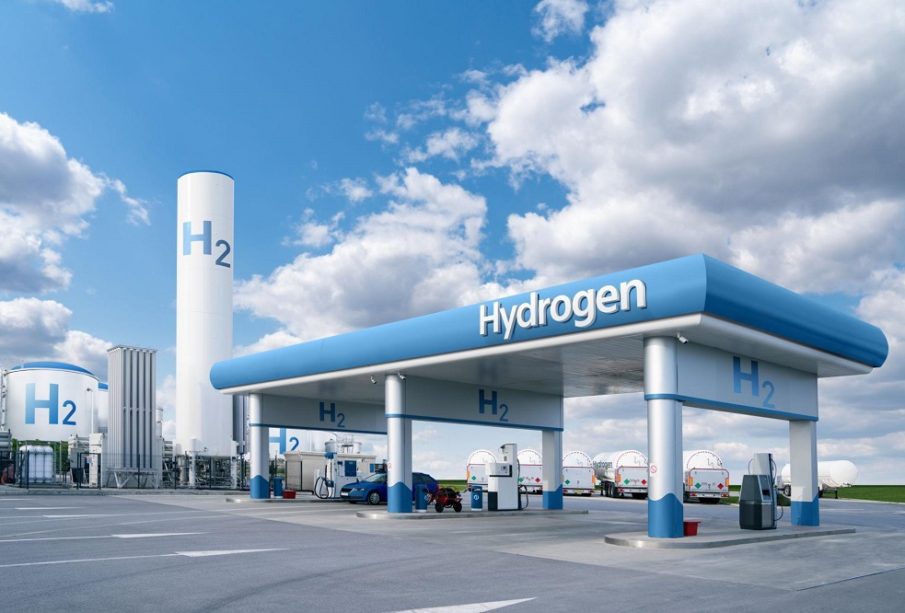
Introduction to Hydrogen as a Transportation Fuel
Hydrogen fuel technology is rapidly gaining attention as the transportation sector searches for cleaner alternatives to gasoline and diesel. Governments, automakers, and energy companies are investing heavily in hydrogen-powered mobility because it offers the potential for long driving ranges, quick refueling times, and zero tailpipe emissions.
Unlike battery-powered vehicles that store electricity, hydrogen vehicles generate electricity onboard using fuel cells. The only byproduct released during operation is water vapor, making hydrogen one of the most promising pathways toward low-carbon transportation.
As climate targets tighten and cities push for cleaner air, hydrogen technology is emerging as a strong complement to battery-electric vehicles in shaping the future of mobility.
What Is Hydrogen Fuel Technology in Vehicles
Hydrogen-powered vehicles typically rely on fuel cell electric vehicle technology, often abbreviated as FCEV. These vehicles convert hydrogen gas into electricity through a chemical process rather than combustion.
The process involves:
- Hydrogen stored in onboard tanks
- Oxygen drawn from the air
- A fuel cell stack that converts hydrogen into electricity
- An electric motor that powers the wheels
Inside the fuel cell stack, hydrogen molecules split into protons and electrons. The electrons generate electrical current that drives the motor, while the protons combine with oxygen to form water vapor.
This efficient and clean energy conversion makes hydrogen vehicles attractive for long-distance transport, freight operations, and future passenger mobility systems.
How Hydrogen Fuel Cells Work in Vehicles
Fuel cells operate differently from traditional internal combustion engines. Instead of burning fuel, they rely on an electrochemical reaction.
Key components include:
Hydrogen storage tank
Hydrogen is stored at high pressure in specially designed lightweight composite tanks that meet strict safety standards.
Fuel cell stack
This is the heart of the system. It converts hydrogen into electricity through a chemical reaction involving oxygen.
Electric motor
Like battery-electric vehicles, hydrogen vehicles use electric motors for propulsion.
Battery buffer
A small battery stores excess electricity generated during braking or low-load operation and assists during acceleration.
This setup ensures smooth performance, efficient energy use, and reduced emissions.
Advantages of Hydrogen Vehicles
Hydrogen technology offers several benefits compared to traditional and battery-powered vehicles.
Zero Tailpipe Emissions
Fuel cell vehicles emit only water vapor. This helps reduce urban pollution and greenhouse gas emissions.
Fast Refueling Time
Hydrogen vehicles can be refueled in about three to five minutes, similar to gasoline vehicles.
Longer Driving Range
Most hydrogen-powered passenger vehicles offer ranges between 300 and 400 miles per tank, making them suitable for long-distance travel.
Lightweight Energy Storage
Hydrogen stores more energy per unit weight than lithium batteries, making it ideal for heavy-duty transport such as trucks and buses.
Reduced Dependence on Fossil Fuels
Hydrogen can be produced from renewable sources such as solar, wind, and hydropower, enabling a cleaner energy ecosystem.
Types of Hydrogen Used in Transportation
Not all hydrogen is equally sustainable. The environmental impact depends largely on how hydrogen is produced.
Gray Hydrogen
Produced from natural gas using steam methane reforming. It is currently the most common type but releases carbon dioxide during production.
Blue Hydrogen
Similar to gray hydrogen but includes carbon capture technology to reduce emissions.
Green Hydrogen
Generated using renewable electricity through water electrolysis. This is the cleanest and most promising option for future transportation systems.
Green hydrogen is expected to play a major role in the transition to sustainable mobility.
Hydrogen Infrastructure Development Challenges
Despite its advantages, hydrogen adoption faces several infrastructure-related obstacles.
Limited Refueling Stations
Hydrogen refueling networks remain underdeveloped compared to gasoline and electric charging infrastructure.
High Production Costs
Green hydrogen production still requires large investments in renewable energy systems and electrolysis equipment.
Storage and Transportation Complexity
Hydrogen is lightweight but occupies significant volume, requiring specialized tanks and pipelines.
Governments worldwide are working to expand hydrogen infrastructure through subsidies, partnerships, and pilot programs.
Applications of Hydrogen Technology Beyond Passenger Cars
Hydrogen technology is especially useful in transportation sectors where battery-electric solutions face limitations.
Examples include:
- Long-haul trucking
- Public transit buses
- Marine transport
- Rail systems
- Aviation research prototypes
Heavy-duty vehicles benefit from hydrogen’s quick refueling capability and longer operational range.
Several logistics companies are already testing hydrogen-powered freight fleets to reduce emissions across supply chains.
Leading Automakers Investing in Hydrogen Mobility
Major automotive companies are accelerating research into hydrogen fuel cell technology.
Notable examples include:
Toyota
A pioneer in hydrogen mobility through the Mirai fuel cell vehicle platform.
Hyundai
Developing hydrogen-powered SUVs, trucks, and commercial vehicle solutions.
Honda
Advancing next-generation fuel cell stack technologies with improved efficiency and compact design.
BMW
Testing hydrogen-powered prototypes designed for luxury mobility applications.
These investments indicate growing industry confidence in hydrogen as part of the transportation future.
Hydrogen vs Battery Electric Vehicles
Hydrogen vehicles and battery-electric vehicles both support clean transportation goals but serve different use cases.
Battery-electric vehicles are ideal for:
- Short-distance commuting
- Urban driving
- Home charging convenience
Hydrogen vehicles are better suited for:
- Long-distance travel
- Commercial fleets
- Heavy-duty transport
- Rapid refueling requirements
Rather than competing technologies, they are increasingly viewed as complementary solutions.
Safety Considerations of Hydrogen Vehicles
Hydrogen safety is often misunderstood. Modern hydrogen vehicles undergo extensive testing to meet strict global safety standards.
Important safety features include:
- Reinforced carbon fiber storage tanks
- Automatic leak detection sensors
- Pressure relief systems
- Impact-resistant vehicle structures
Hydrogen disperses quickly into the air due to its low density, reducing fire risks compared to gasoline spills.
Automakers design hydrogen systems to exceed conventional vehicle safety requirements.
Environmental Impact of Hydrogen Transportation
Hydrogen vehicles produce zero emissions at the tailpipe, but total environmental impact depends on fuel production methods.
Green hydrogen enables:
- Lower lifecycle emissions
- Renewable energy storage capability
- Integration with solar and wind power systems
Hydrogen also supports grid balancing by storing surplus renewable electricity for later use.
This flexibility strengthens its role in future clean transportation ecosystems.
Future Trends in Hydrogen Vehicle Technology
Hydrogen mobility continues evolving as technology advances and infrastructure expands.
Emerging developments include:
Next-generation fuel cell stacks
Smaller, lighter, and more efficient systems are under development.
Hydrogen-powered heavy transport corridors
Dedicated freight routes with hydrogen fueling networks are being planned worldwide.
Integration with renewable energy grids
Hydrogen production increasingly relies on solar and wind energy.
Hydrogen aviation research
Aircraft manufacturers are exploring hydrogen propulsion for future sustainable flight.
As investment grows and production costs decline, hydrogen vehicles are expected to become more accessible to consumers.
Conclusion
Hydrogen fuel technology represents one of the most promising solutions for reducing transportation emissions while maintaining performance and convenience. Its ability to provide long driving ranges, fast refueling times, and compatibility with renewable energy systems positions it as a key player in the future mobility landscape.
Although infrastructure and production challenges remain, continued innovation and government support are accelerating adoption across passenger vehicles, commercial fleets, and heavy transport industries. Hydrogen is not just an alternative fuel option but a strategic component of the transition toward cleaner and more sustainable transportation systems.
Frequently Asked Questions
1. How long do hydrogen fuel cells last in vehicles
Modern hydrogen fuel cell stacks are designed to last approximately 5,000 to 8,000 operating hours, which is comparable to the lifespan of internal combustion engines in typical driving conditions.
2. Can hydrogen vehicles be refueled at home
Currently, home refueling is not practical for hydrogen vehicles because it requires specialized compression equipment and safety infrastructure.
3. Are hydrogen vehicles expensive compared to electric vehicles
Hydrogen vehicles are generally more expensive today due to limited production scale and infrastructure costs, but prices are expected to decrease as adoption increases.
4. Do hydrogen vehicles perform well in cold climates
Yes, hydrogen fuel cell vehicles perform reliably in cold weather and often maintain range better than battery-electric vehicles under freezing conditions.
5. Is hydrogen fuel renewable by default
Hydrogen itself is not inherently renewable. Its sustainability depends on whether it is produced using renewable energy sources such as wind or solar power.
6. Can hydrogen vehicles tow heavy loads effectively
Hydrogen vehicles are particularly suitable for towing and hauling because hydrogen provides high energy density and quick refueling capability.
7. Will hydrogen replace gasoline vehicles completely
Hydrogen is expected to complement battery-electric vehicles rather than fully replace gasoline vehicles in the near future, especially in sectors requiring long-range and heavy-duty performance.