
Beyond Brushing: Managing Dental Calculus for Lasting Oral Hygiene
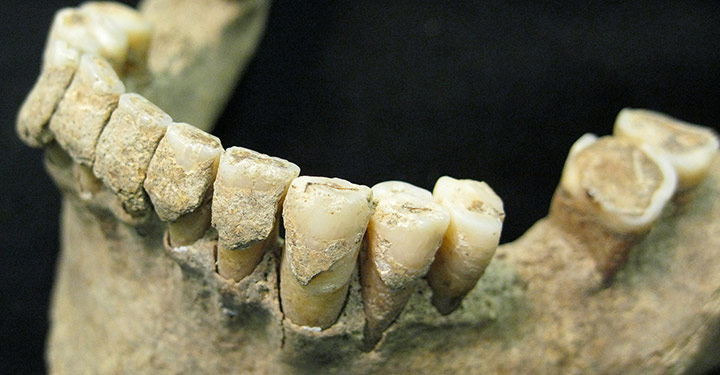
Dental calculus is the hardened form of plaque, which is the most common and prime culprit in wreaking havoc on your oral health. It co-exists with bacteria to secrete harmful acids and toxins resulting in oral problems like tooth decay and gum disease.
Early detection and treatment by the periodontist in King of Prussia, PA is essential since it can greatly improve your oral health. Keep reading to learn everything about dental calculus.
A comprehensive guide to dental calculus
Calculus, or tartar, is the hardened form of plaque that forms on your teeth, above and below the gum line. Poor oral hygiene often results in plaque accumulation which left untreated can harden to form calculus. Unlike plaque, you cannot remove calculus through routine brushing and flossing. You may require professional teeth cleaning by a dentist or oral hygienist.
Calculus contains dead bacteria that have mineralized, mixed with a small portion of mineralized proteins from your saliva. Specifically, it consists of three main minerals, namely:
- Calcium phosphate
- Calcium carbonate
- Magnesium phosphate
Potential causes of calculus
Calculus is usually formed from untreated plaque that accumulates in your mouth over a while. Poor oral hygiene, and unhealthy food and lifestyle habits result in excess plaque accumulation.
However, you are more likely to develop calculus if you:
- Fail to brush and floss as often as required
- Consume a lot of sugary foods and drinks
- Smoke or use other tobacco products
- Wear braces
- Suffer from xerostomia (dry mouth)
The possible symptoms of calculus in your mouth
You may notice the following signs and symptoms if calculus develops in your teeth:
- Yellow, brown, gray, or black stains on your teeth
- Halitosis (bad breath)
- Red, swollen, bleeding gums
- A hard crust-like coating on your teeth
- Diastema (gaps between teeth)
- Gum recession
- Increased tooth sensitivity
Diagnostic criteria for dental calculus
Your dentist can diagnose calculus clinically through a regular oral examination using a probe. They may confirm the extent of calculus below the gum line with the help of dental X-rays. If you develop any gingival pockets, the depth can be evaluated using a specialized periodontal probe.
Treating dental calculus
Treatment for calculus depends on the amount and extent of calculus development. Your dentist may recommend any one of the following treatment options:
Dental cleanings
- This includes routine supragingival and subgingival cleanings by an oral hygienist
Gum disease treatment
- Common gum disease treatments include:
- Scaling
- Root planing
- Pocket reduction surgery
- Laser periodontal therapy
If you notice calculus, seek dental care for further evaluation and treatment. Early diagnosis paves the way for prompt treatment since it can greatly improve your oral health and quality of life.